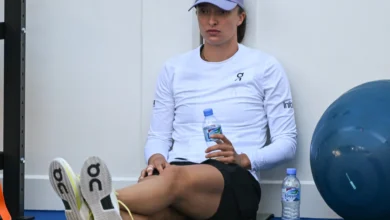
Świątek celebruje awans, a tu komunikat WTA. Chodzi o Sabalenkę. Trwa pogoń


Iga Świątek w końcu zakończyła sezon 2025 – pomogła Polsce awansować do przyszłorocznych kwalifikacji Billie Jean King Cup. W Gorzowie wygrała dwa mecze, na korcie spędziła raptem 104 minuty. Do rywalizacji o punkty Iga wróci dopiero 3 lub 4 stycznia – w Sydney, w ramach rozgrywek United Cup. Nad ranem polskiego czasu pojawiła się zaś kolejna aktualizacja rankingu WTA. W nim w czołówce nie ma co prawda zmian, choć kilka Polek może się cieszyć. Jest też jednak pewna klasyfikacja, która wkrótce może dać satysfakcję Arynie Sabalence. Kosztem Polski.
Iga Świątek w końcu oficjalnie zakończyło sezon 2025 – i może udać się na zasłużony urlop. Sezon bardzo długi, bo pierwszy mecz z Malene Helgo w United Cup raszynianka zagrała 30 grudnia zeszłego roku. Zarazem sezon pełen wahnięć, związanych też ze zmianą trenera, ale i wyjątkowych chwil. Z tą najważniejszą: triumfem w Wimbledonie, najbardziej prestiżowym tenisowym turnieju na świecie.
24-latka przez cały rok walczyła o swoje indywidualne rankingi, bo nawet United Cup dostarczył jej punktów. Na sam koniec przyszła jednak ta chwila szczególna, gdy pierwszy raz od lata 2023 roku mogła zagrać w kraju. Wygrała dwa spotkania w BJK Cup – Nowozelandkę Elyse Tse rozbiła 6:0, 6:1 w 43 minuty, Rumunka Gabriela Lee przegrała z Igą 2:6, 0:6 po 61 minutach.
Kolejne punkty w tych dwóch meczach dołożyły: Katarzyna Kawa, Linda Klimovicova oraz Martyna Kubka. Polki awansowały do kwietniowych zmagań w eliminacjach Grupy Światowej – stawką będzie już miejsce w finale 2026 w Shenzhen.
Iga wróci do rywalizacji na początku stycznia przyszłego roku w Australii. Niektóre Polki wciąż jednak walczą na całym świecie, także te z kadry. Do Ameryki Południowej ruszyła Maja Chwalińska, Katarzyna Kawa ma w planach zawody w Dubaju, Linda Klimovicova – w Angers. Wciąż bowiem trwa walka o punkty, a WTA wciąż uaktualnia światowy ranking. To ostatnie właśnie nastąpiło nad ranem polskiego czasu.